Antique Car Museum of Iowa: A Collectors Paradise
Antique Car Museum of Iowa: Step into a world of gleaming chrome, roaring engines, and captivating automotive history. This exploration delves into Iowa’s rich collection of antique car museums, comparing their unique approaches to preservation, display, and visitor engagement.
We’ll examine notable collections, architectural styles, community impact, and future challenges, offering a comprehensive overview of this fascinating facet of Iowa’s cultural heritage. From meticulously restored classics to rare and unusual models, we’ll uncover the stories behind these automotive treasures and the passionate individuals who keep their legacy alive.
We’ll compare and contrast different museums, highlighting their strengths and showcasing the diverse ways they engage with visitors and preserve automotive history. Discover how these institutions foster community pride, offer educational programs, and navigate the challenges of maintaining these irreplaceable collections for future generations.
Prepare to be captivated by the beauty, engineering, and historical significance of these iconic vehicles.
Architectural and Design Aspects of Iowa’s Antique Car Museums
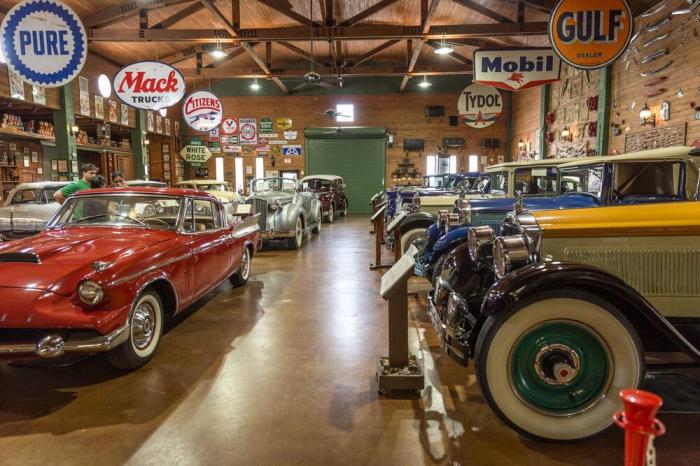
Nah, lupa lagi gue mau ngomongin apaan. Eh iya, soal museum mobil antik di Iowa. Bayangin aja, gedung-gedung bersejarah yang isinya mobil-mobil jadul…ngiler*! Gimana sih arsitektur sama desainnya? Asik banget kan pasti!
Architectural Styles of Iowa’s Antique Car Museums
Banyak banget museum mobil antik di Iowa, dan masing-masing punya gaya arsitektur yang beda-beda. Ada yang bergaya klasik, kayak rumah-rumah tua di film-film Hollywood gitu. Ada juga yang modern, dengan desain futuristik yang bikin melongo. Misalnya, bayangkan sebuah museum dengan atap kaca yang luas, membiarkan cahaya matahari masuk dan menerangi koleksi mobil-mobil antik di dalamnya.
Itu kan keren banget! Sayang, gue nggak hafal detail nama dan gaya arsitektur spesifik dari setiap museumnya, tapi yang pasti, masing-masing punya karakteristik unik yang bikin betah berlama-lama di dalam. Bisa dibayangkan, selain menikmati mobil-mobil antik, kita juga bisa menikmati keindahan arsitektur bangunannya.
Mantap!
Display Methods in Iowa’s Antique Car Museums
Nah, ini dia yang seru! Gimana caranya museum-museum ini memajang koleksi mobil-mobil antiknya? Ada yang pakai cara konvensional, mobil-mobilnya dijejer rapih kayak lagi di showroom. Ada juga yang lebih kreatif, misalnya dengan membuat setting ruangan yang menggambarkan suasana zaman dulu.
Bayangin, mobil antiknya dipajang di garasi yang disetting persis kayak garasi tahun 1950-an, lengkap dengan perkakas dan peralatannya. Ada juga yang bikin mini-diorama, mobilnya dipajang di tengah miniatur kota jadul. Asyik banget kan?
Bikin pengunjung seakan-akan dibawa kembali ke masa lalu.
| Museum Name | Display Method | Additional Features |
|---|---|---|
(Example Museum 1
| Chronological display by decade, with informational plaques. | Interactive touchscreens with additional historical information. |
(Example Museum 2
| Thematic displays focusing on specific car manufacturers or eras. | Dioramas recreating historical settings. |
(Example Museum 3
| Open floor plan with cars grouped by type and era. | Audio guides providing detailed information on each vehicle. |
Innovative Design Solutions for Enhancing Visitor Experience
Eh, jangan sampe ketinggalan! Museum-museum modern sekarang udah pada canggih. Mereka nggak cuma sekadar memajang mobil, tapi juga bikin pengalaman pengunjung makin seru. Misalnya, ada museum yang pakai teknologi augmented reality (AR), jadi pengunjung bisa melihat detail mobil secara lebih jelas, bahkan bisa berinteraksi dengan mobil tersebut secara virtual.
Ada juga yang bikin simulasi balapan mobil antik, jadi pengunjung bisa merasakan sensasi berkendara mobil jadul. Pokoknya, selain koleksi mobilnya yang keren, pengalaman berkunjung ke museumnya juga nggak kalah seru! Bikin betah, deh!
Community Impact and Educational Programs: Antique Car Museum Of Iowa

Iowa’s antique car museums aren’t just dusty garages full of old jalopies,
- lho ya!* They’re vibrant community hubs that rev up local pride and teach us a thing or two about history. These museums act as living, breathing testaments to Iowa’s automotive past, contributing significantly to the state’s cultural landscape.
Think of it as a
- rame-rame* of history, but instead of
- dangdut*, it’s the roar of a classic engine!
These museums foster a strong sense of community by providing spaces for gatherings, events, and shared experiences centered around a common passion: classic cars. They aren’t just places to
- ngadem*, they are places where people connect, share stories, and build relationships. This shared interest in automotive history brings people together, strengthening social bonds and fostering a sense of belonging within the community. It’s like a giant
- arisan* but with way cooler rides!
Educational Programs Offered
Many Iowa antique car museums offer a variety of educational programs designed to engage visitors of all ages and backgrounds. These programs are crucial in preserving and sharing automotive history, ensuring that future generations appreciate the craftsmanship, engineering, and cultural significance of these vehicles.
It’s not just about shiny paint and chrome,
lho!* It’s about understanding the evolution of transportation and its impact on society.
Many museums provide guided tours, offering insightful commentary on the history and significance of each vehicle on display. These tours often go beyond simple descriptions, delving into the social, economic, and technological contexts in which these cars were produced and used.
Imagine a tour guide spouting facts about a ’57 Chevy like they’re narrating a
sinetron*—dramatic pauses, compelling stories, the whole shebang!
Workshops focusing on car restoration, maintenance, and mechanics are also frequently offered. These hands-on experiences provide valuable skills and knowledge, allowing participants to engage directly with the vehicles and appreciate the intricate work involved in their preservation. Think of it as akursus* on making old cars look brand new, but way more fun.
These workshops are also a fantastic way to meet other enthusiasts, fostering a stronger sense of community.Outreach initiatives, such as school programs and community events, further extend the museums’ educational reach. These initiatives often include presentations, demonstrations, and interactive activities designed to educate younger generations about automotive history and its importance.
It’s like bringing the museum to the people, a mobilepesta rakyat* celebrating Iowa’s automotive heritage. These programs inspire a new generation of car enthusiasts, ensuring the preservation of this important aspect of Iowa’s cultural legacy.
Contribution to the Preservation of Automotive History
Iowa’s antique car museums play a vital role in preserving automotive history and related cultural heritage. They act as repositories for a vast collection of vehicles, tools, and related artifacts, ensuring that these pieces of history are protected and accessible for future generations.
These museums are not just storage units; they are active participants in the preservation of a significant part of Iowa’s identity. They are living archives, carefully maintaining and showcasing the vehicles that have shaped the state’s transportation landscape.The careful restoration and maintenance of these vehicles are crucial aspects of the museums’ work.
This process requires specialized skills and knowledge, ensuring that these vehicles remain in optimal condition for years to come. It’s like giving these old cars a
- facial* and a
- spa treatment*, keeping them looking their best for generations to admire. This commitment to preservation not only safeguards the vehicles themselves but also the stories and memories associated with them. Each car represents a piece of history, a snapshot of a bygone era, waiting to be explored and understood.
Future Prospects and Challenges

Nah, ngomongin masa depan museum mobil antik di Iowa ini, kayak lagi ngeliat mobil tua kesayangan, kadang mentereng, kadang butuh perawatan ekstra. Ada tantangannya, tapi juga peluang emas buat ngebangun masa depan yang makin ciamik.
Pokoknya, jangan sampe ‘ngos-ngosan’ ya, kita harus bijak ngatur strategi!Museum mobil antik di Iowa ini, masa depannya se-rame pasar Senin pagi kalo lagi ramai-ramainya. Ada beberapa hal yang perlu diperhatiin nih, biar museumnya tetep eksis dan gak jadi ‘barang rongsokan’ di masa depan.
Funding Sources and Sustainability
Mendapatkan dana itu kayak nyari ‘duit pesangon’ sebelum pensiun, susah-susah gampang. Sumber dana yang berkelanjutan itu penting banget, gak cuma andalin tiket masuk aja.
Museum bisa cari pendanaan dari beberapa sumber, misalnya donasi dari kolektor mobil antik, grant dari pemerintah, atau kerja sama dengan perusahaan swasta yang minatnya sama dengan museum.
Bayangin aja, kalo museumnya bisa kerja sama dengan pabrik mobil antik, pasti dapat dukungan yang cukup gede. Strategi lainnya adalah dengan mengadakan acara fundraising yang kreatif dan menarik, misalnya lelang mobil antik atau konser musik dengan tema klasik.
Preservation and Conservation Efforts
Nah, masalah lainnya adalah perawatan mobil-mobil antiknya. Ini kayak ngurus ‘anak’ yang banyak maunya, perlu perhatian ekstra. Perawatan yang baik itu penting banget buat menjaga kondisi mobil-mobil antik agar tetep awet dan bisa dinikmati oleh generasi mendatang.
Museum bisa kerjasama dengan ahli restorasi mobil antik, dan juga menggunakan teknologi modern untuk mempermudah proses perawatannya. Misalnya, menggunakan sistem monitoring kondisi udara dan kelembapan di gudang penyimpanan mobil.
Bayangkan, kalo mobil-mobil antiknya rusak karena gak dirawat dengan baik, kan sayang banget.
Attracting Visitors and Engagement, Antique car museum of iowa
Narik pengunjung itu kayak ngajak temen nonton bioskop, harus ada ‘gimiknya’. Museum harus bisa menawarkan pengalaman yang unik dan menarik buat pengunjung.
Misalnya, dengan mengadakan event-event khusus, seperti pertunjukan mobil antik, workshop perawatan mobil antik, atau pameran fotografi tentang sejarah mobil antik.
Selain itu, museum juga bisa memanfaatkan media sosial untuk mempromosikan koleksinya dan menarik minat pengunjung muda. Bayangkan aja, kalo museumnya cuma ‘diem’ aja, siapa yang mau dateng?
Potential Future Directions for Iowa’s Antique Car Museums
Buat masa depannya, museum mobil antik di Iowa bisa mengembangkan berbagai program yang lebih inovatif dan menarik. Ini kayak ngasih ‘bumbu’ baru biar gak bosenin.
- Develop interactive exhibits:Buat pameran yang interaktif dan menarik, misalnya dengan menggunakan teknologi virtual reality atau augmented reality. Pengunjung bisa merasakan sensasi mengemudi mobil antik secara virtual.
- Expand educational programs:Buat program pendidikan yang lebih komprehensif, misalnya dengan mengadakan workshop atau seminar tentang sejarah mobil antik dan teknologi otomotif.
- Partner with local businesses:Kerjasama dengan usaha lokal untuk menawarkan paket wisata yang menarik, misalnya dengan menawarkan paket wisata yang meliputi kunjungan ke museum dan restoran lokal.
- Create a mobile app:Buat aplikasi mobile yang bisa digunakan pengunjung untuk mendapatkan informasi tentang koleksi museum dan event yang sedang berlangsung.
Illustrative Examples of Antique Cars

Nah, ini dia nih, beberapa contoh mobil antik kece yang bisa ente temuin di museum-museum mobil antik di Iowa. Bayangin aja, mobil-mobil ini udah kayak saksi bisu sejarah perkembangan otomotif, jadi nggak cuma keren dilihat, tapi juga punya cerita panjang banget, asli bikin melongo!
1911 Buick Model 10
The 1911 Buick Model 10 represents a significant step in Buick’s early production, showcasing their commitment to affordable yet reliable automobiles. This particular model, often found in a restored condition, is characterized by its elegant lines and robust construction. Its four-cylinder engine, though relatively simple by modern standards, was a marvel of engineering for its time, demonstrating Buick’s innovative approach to mass production. The Model 10’s impact is seen in its contribution to Buick’s growing market share and the wider adoption of automobiles in the early 20th century. Many examples boast beautifully preserved brass accents and a charming, classic aesthetic. Restoration projects often focus on maintaining the car’s original patina and mechanical integrity.
1930 Ford Model A
The 1930 Ford Model A, a ubiquitous sight in antique car collections, symbolizes the democratization of the automobile in America. Following the success of the Model T, the Model A offered advancements in comfort and style, attracting a broader range of buyers. Its design, characterized by rounded fenders and a more streamlined body, reflected the evolving aesthetic preferences of the era. Mechanically, the Model A represented improvements in engine design and overall reliability compared to its predecessor. Its widespread availability and relatively simple mechanics make it a popular choice for restoration enthusiasts, with countless clubs and resources dedicated to keeping these iconic vehicles on the road. Many lovingly restored examples showcase the car’s original paint schemes and interior fabrics.
1957 Chevrolet Bel Air
The 1957 Chevrolet Bel Air epitomizes the American automotive dream of the 1950s. Its iconic tailfins, chrome accents, and powerful V8 engine became instantly recognizable symbols of post-war prosperity and optimism. The design, a product of the “tailfin era,” pushed the boundaries of automotive styling, emphasizing boldness and extravagance. Its advanced engineering for its time, including a robust chassis and powerful engine options, made it a popular choice for both everyday driving and performance enthusiasts. Finding a perfectly preserved example is rare, but many painstakingly restored Bel Airs grace museums and private collections, showcasing the car’s timeless appeal and the dedication of those who preserve automotive history. The restoration process often involves sourcing rare parts and meticulously recreating the original finish.
Wrap-Up

Iowa’s antique car museums are more than just repositories of vintage vehicles; they are vibrant cultural centers that preserve automotive history, foster community engagement, and educate future generations. By showcasing the unique collections, architectural styles, and educational initiatives of these museums, we hope to inspire a deeper appreciation for the artistry, engineering, and historical significance of these automotive masterpieces.
The ongoing commitment to preservation and innovative engagement strategies ensures that these treasures will continue to captivate and inspire for years to come. A visit to any of these museums offers a truly unforgettable experience.
Commonly Asked Questions
What is the typical cost of admission to Iowa’s antique car museums?
Admission prices vary depending on the museum and often include discounts for seniors, students, and children. It’s best to check each museum’s website for current pricing.
Are photography and videography allowed inside the museums?
Most museums permit photography for personal use, but it’s always advisable to check their specific policies regarding flash photography and videography before your visit. Some may restrict professional photography.
Are the museums accessible to individuals with disabilities?
Accessibility varies by museum. Check individual museum websites for details on accessibility features, such as wheelchair ramps, elevators, and accessible restrooms.
What are the museum’s hours of operation?
Hours of operation vary by museum and season. It’s recommended to check the museum’s website or contact them directly for the most up-to-date information.
Posting Komentar