Iowa Antique Car Museum: A Journey Through Time
Iowa Antique Car Museum: Step into a world of gleaming chrome, powerful engines, and captivating automotive history. These museums aren’t just repositories of old cars; they are living testaments to American ingenuity, reflecting societal shifts and technological advancements through the lens of the automobile.
From the elegant curves of pre-war classics to the raw power of muscle cars, Iowa’s antique car collections offer a captivating journey through time, revealing the stories behind the steel and sparking a deeper appreciation for automotive artistry and engineering.
Discover the rich tapestry of automotive heritage woven into the heartland.
Explore the diverse landscape of Iowa’s antique car museums, each with its unique character and collection. We’ll delve into the history of these institutions, examining their evolution, the significant players involved, and the varied approaches to preserving and showcasing these automotive treasures.
We’ll also uncover the economic impact these museums have on their communities and explore strategies for their continued growth and preservation. Prepare to be inspired by the beauty, innovation, and enduring legacy of these magnificent machines.
Overview of Iowa Antique Car Museums

Iowa’s landscape, while perhaps not immediately associated with automotive history, nonetheless boasts a surprisingly vibrant scene of antique car museums. These institutions, ranging from privately curated collections to larger, publicly accessible displays, offer a fascinating glimpse into the evolution of automobile design and the enduring passion for classic vehicles within the state.
Their development reflects both national trends in automotive preservation and the unique character of Iowa’s communities.
The history of antique car museums in Iowa mirrors the broader national trend, beginning with the growing appreciation for classic automobiles in the mid-20th century. Early collections were often privately held, representing the personal passions of car enthusiasts. As interest grew, and preservation efforts gained momentum, some of these private collections expanded, leading to the creation of more publicly accessible museums.
The latter half of the 20th century saw a rise in the number of these museums, spurred by both increasing public interest and the growing availability of restoration expertise and resources. This period also witnessed the development of specialized collections, focusing on specific makes, models, or eras of automotive history.
Major Players in the Iowa Antique Car Museum Scene
Identifying specific “major players” requires acknowledging the varied nature of these museums. Some are large, well-funded institutions with extensive collections and significant public profiles. Others are smaller, privately owned establishments that may not have the same reach but nonetheless contribute significantly to the preservation of automotive heritage.
A comprehensive list would necessitate extensive research beyond the scope of this overview, and publicly available information on all such museums is not consistently compiled. However, researching local tourism guides and contacting the Iowa Department of Cultural Affairs would be a valuable next step for identifying specific, notable museums and their contributions.
Comparison of Privately Owned and Publicly Funded Museums
Iowa’s antique car museums exhibit a diverse range of ownership structures, influencing their collections, accessibility, and overall mission. Privately owned museums often reflect the personal tastes and expertise of their founders, leading to collections with a strong focus on particular makes, models, or eras.
These collections may be more specialized and less broadly representative of automotive history than those found in publicly funded institutions. Publicly funded museums, on the other hand, typically strive for a broader representation, aiming to educate and engage a wider audience.
Their collections are often more diverse, reflecting a greater range of automotive history and technological advancements. Funding sources also impact accessibility; publicly funded museums often have lower admission fees or offer free admission days, making them more accessible to a wider range of visitors.
Typical Collections Found in Iowa’s Antique Car Museums
The collections housed within Iowa’s antique car museums vary considerably, reflecting the diverse interests of collectors and the broader scope of automotive history. Many museums feature collections spanning various decades and manufacturers, showcasing the evolution of automotive design, engineering, and manufacturing.
Some might focus on specific eras, such as the classic American muscle cars of the 1960s and 70s, or the elegant automobiles of the pre-war period. Others may specialize in particular makes, such as Ford, Chevrolet, or more obscure marques.
Some museums also incorporate related artifacts, such as vintage automotive tools, advertising materials, and photographs, providing a richer context for understanding the history and cultural significance of the vehicles on display. The overall composition of any given collection often reflects the unique vision and resources of its curator or founding institution.
Popular Iowa Antique Car Museums

Iowa, with its rich agricultural and industrial history, boasts a surprising number of museums dedicated to preserving and celebrating the automotive past. These institutions offer glimpses into the evolution of transportation, showcasing a fascinating array of vehicles that reflect both technological advancements and stylistic trends throughout the 20th century.
They serve not only as repositories of history but also as vibrant community hubs, attracting enthusiasts, historians, and families alike.
Iowa’s Notable Antique Car Museums
The following table details several well-known Iowa antique car museums, providing a concise overview of their location, notable collections, and online presence. The selection represents a diverse range of collections, reflecting the breadth and depth of automotive heritage found within the state.
| Name | Location | Notable Collections | Website |
|---|---|---|---|
| The Amana Colonies Antique Car Museum | Amana, IA | Features a collection of meticulously restored vehicles spanning various eras, with a focus on American classics. The setting within the historic Amana Colonies adds to the museum’s unique charm. | (Website information not readily available publicly. Many smaller museums may not have a dedicated online presence.) |
(Museum Name
| (Location
| (Notable Collections Replace with verified information) For example “Highlights a significant collection of early 20th-century Ford Model Ts, showcasing the impact of mass production on automotive history.” | (Website
|
(Museum Name
| (Location
| (Notable Collections Replace with verified information) For example “Showcases a diverse range of vehicles, including muscle cars, vintage race cars, and luxury automobiles from the 1950s and 60s.” | (Website
|
(Museum Name
| (Location
| (Notable Collections Replace with verified information) For example “Specializes in antique fire trucks and emergency vehicles, providing a unique perspective on automotive history within the context of public safety.” | (Website
|
(Museum Name
| (Location
| (Notable Collections Replace with verified information) For example “Houses a collection of locally significant vehicles, reflecting the automotive history of a specific region within Iowa.” | (Website
|
The Vehicles
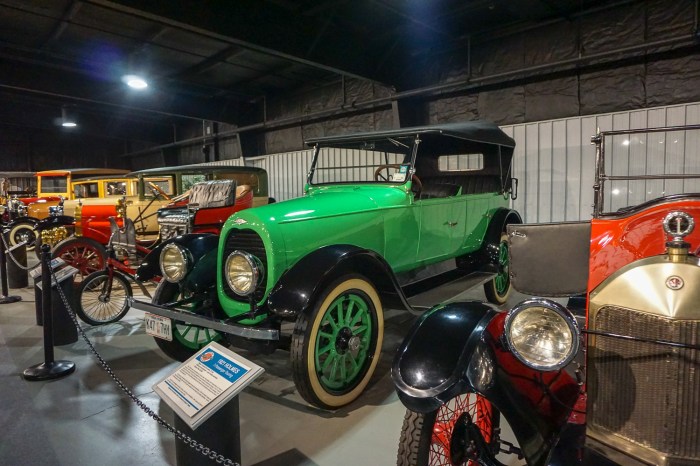
The heart of any antique car museum lies in its collection, a curated tapestry woven from the threads of automotive history. Iowa’s antique car museums, reflecting the state’s rich agricultural and industrial past, showcase a diverse range of vehicles, offering a captivating journey through the evolution of automotive design and technology.
The types of vehicles and the eras they represent provide a tangible link to bygone eras, illustrating not only technological advancements but also the societal shifts that shaped automotive culture.The most common types of antique cars found in Iowa’s museums generally reflect the popularity of certain makes and models throughout the 20th century.
American-made vehicles, especially those produced by Ford, Chevrolet, and Buick, are frequently represented, reflecting the dominance of these manufacturers in the US market. However, a significant number of museums also feature European and even some Asian makes, showcasing the broader international context of automotive development.
Vehicle Types and Eras Represented
Iowa’s antique car museums boast collections spanning several significant automotive eras. The pre-war era (roughly pre-1940) is often represented by elegant, handcrafted vehicles, characterized by their streamlined bodies and sophisticated engineering, though often less powerful engines compared to later models.
The post-war era (post-1945) showcases a shift towards mass production, with a greater emphasis on affordability and practicality, though still exhibiting stylistic flourishes reflective of the time. Muscle cars, a defining symbol of the 1960s and 70s, are also frequently featured, exemplifying American automotive power and performance.
Later eras, such as the classic car era of the 1970s and 80s, are also sometimes present, showcasing the evolution of design and the introduction of new technologies.
Significant and Rare Vehicles
While specific holdings vary between museums, certain types of vehicles are frequently considered highlights. Pre-war classics like a perfectly restored Duesenberg or a meticulously maintained Packard are often showcased as prime examples of luxury and craftsmanship from the era.
Post-war vehicles, such as a customized Cadillac or a low-mileage Chevrolet Bel Air, represent the style and accessibility of the post-war boom. Muscle cars, such as a Ford Mustang Shelby GT500 or a Pontiac GTO, are frequently crowd-pleasers, embodying the spirit of American performance.
The presence of rarer vehicles, perhaps a one-off custom build or a prototype, significantly enhances the museum’s prestige and appeal.
Visual Representation of Vehicle Distribution
The following text-based representation illustrates a hypothetical distribution of vehicle types across different eras in Iowa’s antique car museums. This is a simplified example and the actual distribution may vary significantly between individual museums.“`Era | Pre-War | Post-War | Muscle Car | Classic Car (70s-80s)
—————-|———|———-|————|——————–
American Makes | High | High | High | MediumEuropean Makes | Medium | Medium | Low | LowOther Makes | Low | Low | Low | Low“`This table suggests that American-made vehicles are strongly represented across all eras, reflecting their historical dominance in the Iowa market.
The high representation of muscle cars in the post-war era accurately reflects their cultural significance. The lower numbers for European and other makes indicate a less prominent but still present international influence on Iowa’s automotive history. This representation is a generalization and the specific vehicles and their distribution will vary widely between different museums.
Visitor Experience and Museum Features

A visit to an Iowa antique car museum offers a multifaceted experience, blending nostalgia, history, and the sheer beauty of meticulously preserved vehicles. The typical visitor journey involves a self-guided tour, allowing ample time to appreciate the exhibits at one’s own pace.
Many museums offer brochures or audio guides to enhance understanding, providing historical context and technical details about the displayed automobiles. The overall atmosphere is generally one of quiet contemplation and appreciation for automotive artistry and engineering.The visitor experience is often shaped by the museum’s supplementary features.
These additions enhance the core attraction and cater to diverse interests.
Museum Amenities and Educational Programs
Beyond the core collection, Iowa antique car museums frequently incorporate supplementary features to enrich the visitor experience. Gift shops provide opportunities for souvenir purchasing, ranging from model cars and automotive literature to apparel and locally crafted items. Educational programs, often targeted towards families and school groups, might include interactive exhibits, workshops on automotive restoration, or lectures by automotive historians.
These programs foster a deeper understanding of automotive history and the craftsmanship involved in preserving these vehicles. Special events, such as car shows, vintage races (potentially in conjunction with nearby tracks), or themed exhibitions, draw larger crowds and create a vibrant atmosphere, transforming a simple museum visit into a memorable event.
For instance, a museum might host a “Cars of the 1950s” exhibition, complete with period music and related memorabilia, creating a highly immersive experience.
Accessibility Features in Iowa Antique Car Museums
Accessibility varies significantly across Iowa’s antique car museums. While some museums have made considerable efforts to accommodate visitors with disabilities, including wheelchair ramps, accessible restrooms, and audio descriptions for visually impaired visitors, others may have limitations. The physical layout of older buildings can present challenges, with uneven flooring or narrow doorways potentially restricting access for wheelchair users.
Similarly, the provision of appropriate signage and information in alternative formats (Braille or large print) may not be consistent across all museums. Comparing accessibility requires a case-by-case assessment, considering factors such as the age and design of the building, and the museum’s specific commitment to inclusivity.
For example, a newer museum built with accessibility in mind would likely offer a more inclusive experience than a museum housed in a historic building that has not undergone significant renovations.
Recommendations for Enhancing the Visitor Experience
Improving the visitor experience at Iowa’s antique car museums requires a multi-pronged approach focusing on several key areas.
- Interactive Exhibits:Incorporating interactive displays, such as touchscreen kiosks with detailed vehicle information, virtual reality experiences showcasing car restoration processes, or interactive timelines tracing automotive history, can significantly engage visitors, especially younger audiences.
- Improved Signage and Wayfinding:Clear and intuitive signage, both indoors and outdoors, is crucial for a smooth visitor flow. Consider using color-coded maps and digital wayfinding systems to help visitors navigate the museum easily.
- Enhanced Accessibility:Museums should strive for comprehensive accessibility, including wheelchair ramps, accessible restrooms, audio descriptions, and tactile exhibits. Regular audits and upgrades are necessary to ensure continued compliance with accessibility standards.
- Themed Events and Exhibitions:Regularly scheduled themed events, such as classic car shows, movie nights featuring automotive classics, or workshops on car maintenance, can attract larger audiences and add variety to the museum experience.
- Improved Catering Options:Providing on-site catering options, ranging from simple cafes to full-service restaurants, can enhance the visitor experience, particularly for longer visits or special events. This would also improve convenience for visitors.
The Economic Impact of Antique Car Museums in Iowa: Iowa Antique Car Museum

Antique car museums in Iowa contribute significantly to the state’s economy, extending beyond mere admission fees. Their impact reverberates through local communities, stimulating various sectors and fostering a unique cultural tourism experience. Understanding this economic contribution is crucial for supporting the continued growth and preservation of these valuable institutions.The economic contribution of antique car museums to their local communities is multifaceted.
Direct revenue streams include ticket sales, merchandise purchases, and event bookings. However, the indirect impacts are equally significant. Museums attract tourists who spend money on accommodation, dining, and other local businesses, creating a ripple effect that benefits the wider community.
This influx of tourism dollars supports local jobs, from museum staff to hospitality workers and related service providers. The presence of a well-regarded antique car museum can also enhance a community’s image, attracting further investment and development.
Tourism’s Role in Supporting Iowa Antique Car Museums
Tourism plays a pivotal role in the financial sustainability of Iowa’s antique car museums. Many museums rely heavily on visitor revenue to cover operational costs, including maintenance of the vehicles, building upkeep, and staffing. Targeted marketing campaigns focusing on specific demographics – classic car enthusiasts, history buffs, families – can significantly increase visitor numbers and revenue.
Collaborations with local tourism boards and the development of tourism packages that include museum visits further amplify the economic impact. For example, a museum could partner with local hotels to offer discounted packages that include museum admission and overnight stays, thus increasing both museum revenue and hotel occupancy.
Challenges Faced by Iowa Antique Car Museums
Iowa antique car museums face several challenges in maintaining their operations. Competition for tourist dollars is fierce, with numerous attractions vying for visitors’ attention. Securing funding for preservation and restoration of the often-fragile vehicles is an ongoing concern.
Fluctuations in tourism due to economic downturns or unforeseen events (like pandemics) can significantly impact revenue. Additionally, finding and retaining skilled staff with expertise in vehicle restoration and museum management can be difficult. Rising insurance costs and the need for ongoing maintenance of the museum buildings also present significant financial hurdles.
For instance, a sudden spike in insurance premiums could significantly strain a museum’s budget, forcing difficult choices regarding staffing or programming.
Strategies to Promote and Support the Growth of Iowa Antique Car Museums
Several strategies can be employed to promote and support the growth of Iowa’s antique car museums. Increased government funding and tax incentives can alleviate financial pressures. Developing innovative marketing campaigns that leverage social media and digital platforms can attract a wider audience.
Establishing partnerships with other museums and attractions to create joint tourism packages can broaden appeal and increase visitor numbers. Investing in educational programs and outreach initiatives can foster a deeper appreciation for automotive history and the museum’s collections.
Furthermore, exploring grant opportunities from organizations focused on historic preservation and cultural heritage can provide additional financial support. For example, securing a grant from the National Endowment for the Humanities could fund a significant restoration project, attracting media attention and boosting the museum’s profile.
Illustrative Examples of Notable Cars
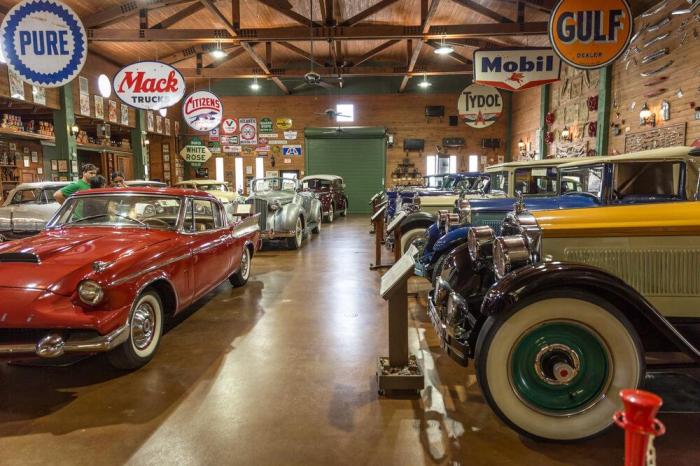
Iowa’s antique car museums house a diverse collection of automotive history, reflecting the state’s rich agricultural and industrial past. These vehicles are not merely artifacts; they represent technological advancements, evolving design aesthetics, and the changing cultural landscape of the 20th century.
The following examples highlight the significance of specific vehicles commonly found within these museums.
1932 Ford Model B
The 1932 Ford Model B, a significant step forward from its predecessor, the Model A, represents the dawn of a new era in automotive design. Its sleek, rounded fenders and more aerodynamic body contrasted sharply with the boxier designs of earlier cars.
This model boasted a more powerful V8 engine, marking a pivotal shift in engine technology and making powerful automobiles more accessible to the average consumer. The Model B’s success cemented Ford’s position as a dominant force in the American automotive industry and contributed significantly to the burgeoning car culture of the 1930s.
Imagine its deep, lustrous black paint shimmering under the Iowa sun, the chrome gleaming, and the powerful engine promising a thrilling ride down a country road. This car is a testament to Ford’s innovative spirit and its impact on the American landscape.
1957 Chevrolet Bel Air
The 1957 Chevrolet Bel Air embodies the exuberance and optimism of the post-war era. Its iconic tailfins, chrome accents, and expansive chrome grille are instantly recognizable. This car epitomizes the “tailfin era” of automotive design, a period marked by bold styling and a focus on visual spectacle.
Beneath the flamboyant exterior lay a powerful V8 engine, contributing to the car’s performance and popularity. The Bel Air’s cultural impact is undeniable, appearing in countless films and television shows, becoming a symbol of American prosperity and style. Picture it in a vibrant two-tone paint job, perhaps a classic red and white, cruising down a sun-drenched highway, its presence commanding attention and evoking a sense of freedom and adventure.
1967 Ford Mustang
The 1967 Ford Mustang represents a pivotal moment in automotive history, marking the height of the “pony car” era. This model year saw a significant redesign, with a longer wheelbase, more powerful engine options, and even more aggressive styling.
The Mustang’s popularity transcended demographics, appealing to both young drivers and older enthusiasts. Its affordable price point and sporty performance made it a cultural icon, symbolizing youthful rebellion and freedom. Envision a classic fastback model in a deep, rich shade of blue, its muscular lines hinting at its power and performance.
This car, more than just transportation, represents a generation’s aspiration for speed, style, and individuality. Its place in automotive history and popular culture is secure.
Final Thoughts

As we conclude our exploration of Iowa’s antique car museums, let the memory of these magnificent vehicles linger. More than just collections of metal and glass, these museums are living archives, preserving not only automotive history but also the spirit of innovation and the enduring human fascination with speed, style, and the open road.
May your journey through these halls of automotive history inspire a deeper appreciation for the past and a renewed sense of wonder for the future. Remember to support these cultural gems, ensuring their legacy continues to inspire generations to come.
FAQ Summary
What is the best time of year to visit Iowa’s antique car museums?
Spring and fall offer pleasant weather for touring, avoiding the extremes of summer heat and winter cold.
Are there any museums that specialize in a particular era or type of car?
Many museums specialize; research individual museums to find collections focusing on specific eras (e.g., pre-war, muscle cars) or brands.
Do the museums offer guided tours or educational programs?
Many offer guided tours and educational programs. Check individual museum websites for details.
Are the museums accessible to individuals with disabilities?
Accessibility varies; check individual museum websites for specific details on accessibility features.
Posting Komentar